
Getting There: Transport and Parking
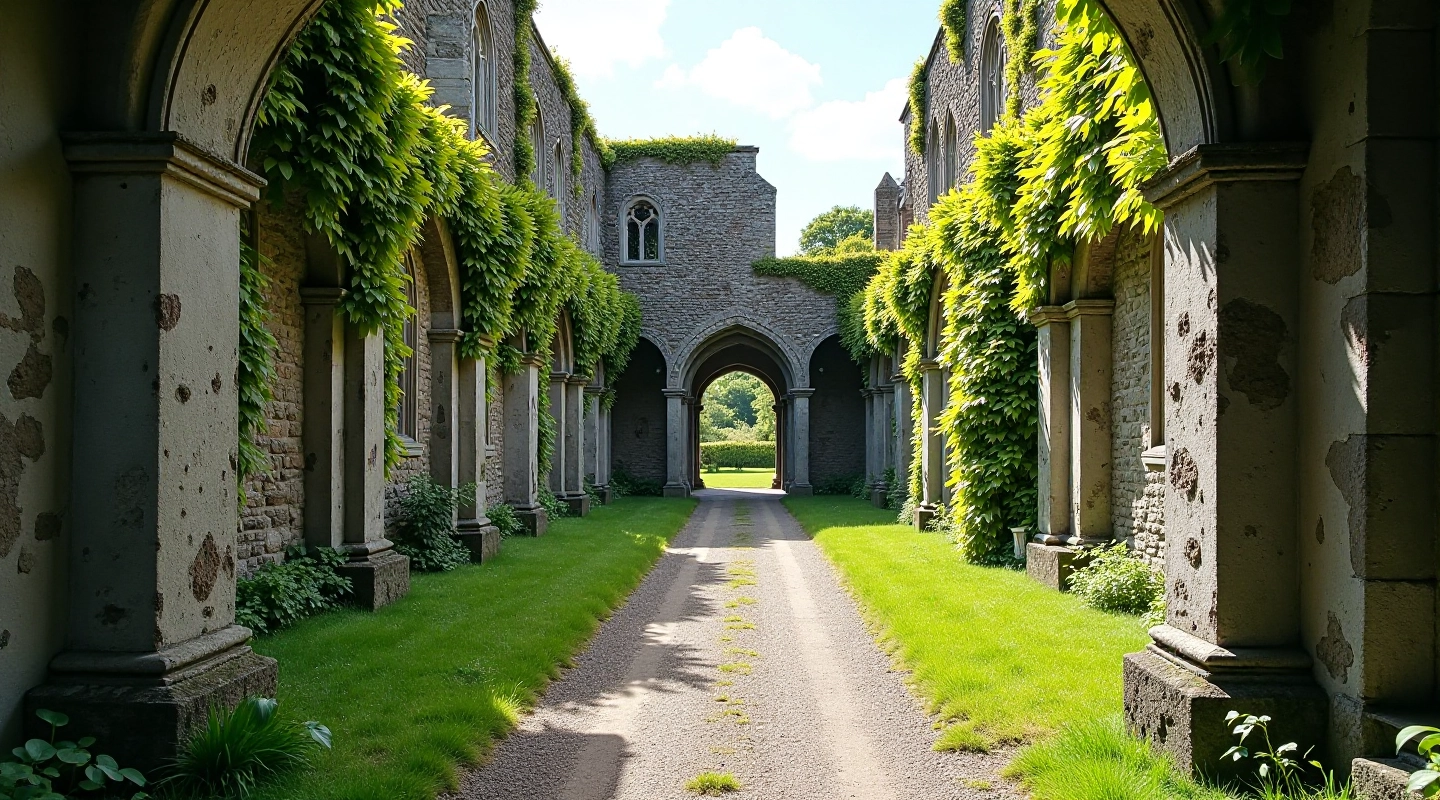
The friary grounds sit about 2 kilometers from Ennis town centre. If you're driving, there's a small car park on the approach road with spaces reserved for visitors. It's not huge — maybe 20 spaces — so arriving mid-morning works better than peak times. The walk from the car park to the friary entrance is flat and takes about 5 minutes.
Public transport gets you close too. Bus routes from the town centre stop within 400 meters of the site. The final stretch involves a gentle slope, nothing steep. If you're coming from further afield — say, from Limerick or Galway — the drive is straightforward. Allow about 45 minutes from Limerick, 90 minutes from Galway.
Parking Details
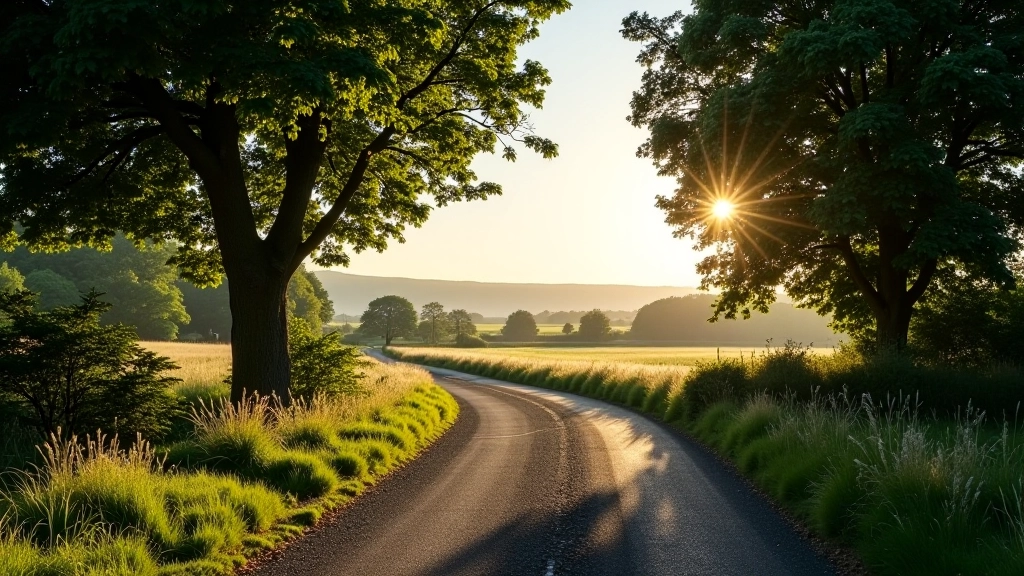
Free parking. Open daily dawn to dusk. No facilities at the car park itself, so use facilities in town before you arrive.

Accessibility and Walking Surfaces
The main paths through the friary grounds are paved and relatively flat. Most of the route is suitable for walking at a comfortable pace — you won't feel rushed. If you're using a walking stick or mobility aid, the surfaces are solid enough. There are a few uneven patches where tree roots have lifted the paving slightly, so watch your step there.
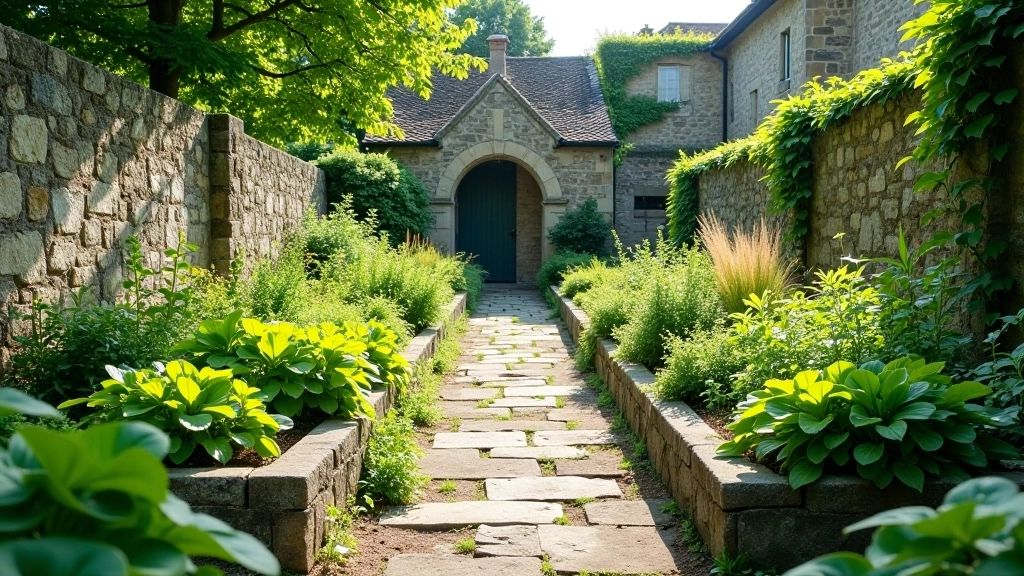
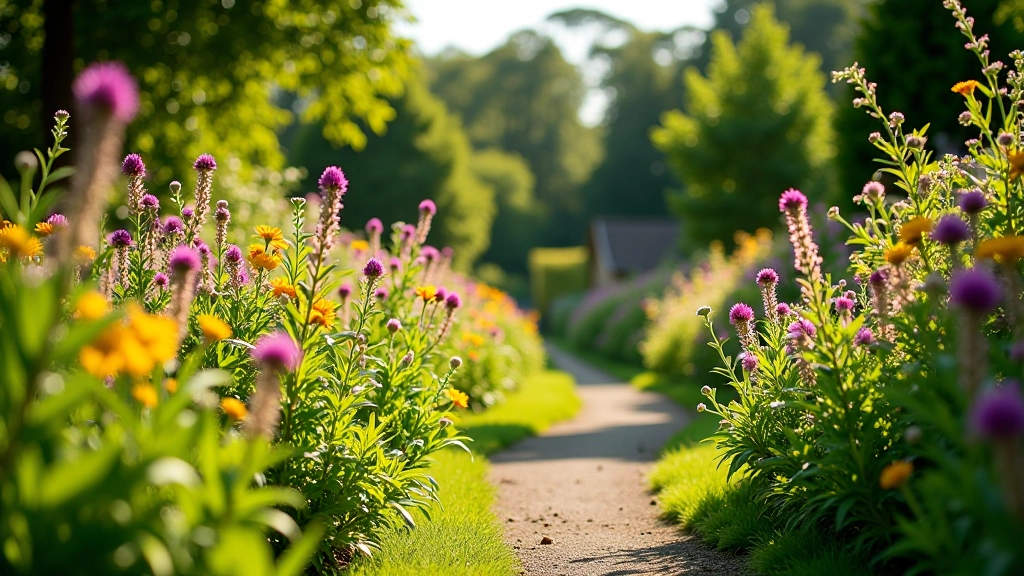
The herb garden area has gravel paths. They're well-maintained but can be tricky if you're managing a walking frame. The good news? There's a bench every 100 meters or so. Genuinely. You can rest without worrying about finding a seat. The benches are scattered throughout, positioned where you get decent views while you catch your breath.
Accessibility Features
- Paved main routes, gravel in garden areas
- Benches throughout the site
- Accessible toilet facilities near the entrance
- Gentle slopes, no stairs on main paths
Best Times to Visit
Spring and early autumn are genuinely the best times. April through May, the herb garden is in full growth and you'll see flowers. September through October gives you cooler temperatures without the summer crowds. If you visit in July or August, expect more visitors, especially school holidays. That said, weekday mornings are quieter than weekends any time of year.
Winter visits are possible but bring a waterproof jacket. Rain's common from November through February. The grounds stay open, and there's something peaceful about exploring ruins in quieter months. Midday is warmer than early morning if you're sensitive to cold. Allow an extra 20 minutes for your walk if weather's damp — surfaces get slippery.
Seasonal Guide
Spring (April-May): Flowers blooming, mild weather, moderate crowds. Summer (June-August): Warmest but busiest. Autumn (September-October): Ideal — cooler, fewer visitors, stunning light. Winter (November-March): Quiet and peaceful, bring waterproofs.
Important Information
The information in this guide is provided for educational purposes to help you plan your visit. Conditions at heritage sites can change due to weather, maintenance, or other factors. We recommend checking with the local visitor centre before you visit, especially if you're traveling during winter months or have specific accessibility requirements. This guide describes conditions as they typically are, but always assess your own fitness and mobility before planning a visit to any outdoor site.

What to Bring and How Long to Spend
Pack a small day bag with water. It's not a demanding walk, but you'll be outside for an hour or two, and staying hydrated matters more as you get older. A hat for sun protection is smart — there's shaded areas but plenty of open ground too. Bring a light jacket even if the forecast looks clear. Irish weather changes fast.
How long should you spend? If you're just walking the main friary route and glancing at the herb garden, you're looking at 60-90 minutes. If you want to read the information panels, sit on benches and take photos, plan for 2-3 hours. Don't rush it. The whole point is to move at your own pace and actually notice what's around you. There's a small café in the nearby village if you want to grab tea afterwards — that's a nice way to end the visit.
Packing List
- Water bottle (refillable at visitor facilities)
- Hat and sunscreen
- Light waterproof jacket
- Comfortable walking shoes (already broken in)
- Walking stick if you usually use one
- Phone for emergencies
- Small snack if you prefer (not provided on-site)
Planning Makes the Visit Better
The friary grounds aren't complicated. They're designed to be explored at a relaxed pace, and that suits retirees perfectly. You're not tackling rough terrain or navigating confusing trails. You're walking through history, reading about plants monks grew centuries ago, and enjoying countryside that's genuinely peaceful.
The key is knowing what to expect — parking, facilities, walking surfaces, timing. That's what this guide covers. You've got the practical details now. Pick a time that works for you, pack light, and spend a few hours exploring. It's the kind of outing that doesn't demand much but gives back a lot. Clear information, decent paths, places to rest, and heritage that rewards attention. That's the experience waiting for you at the friary.