A Garden Through Time
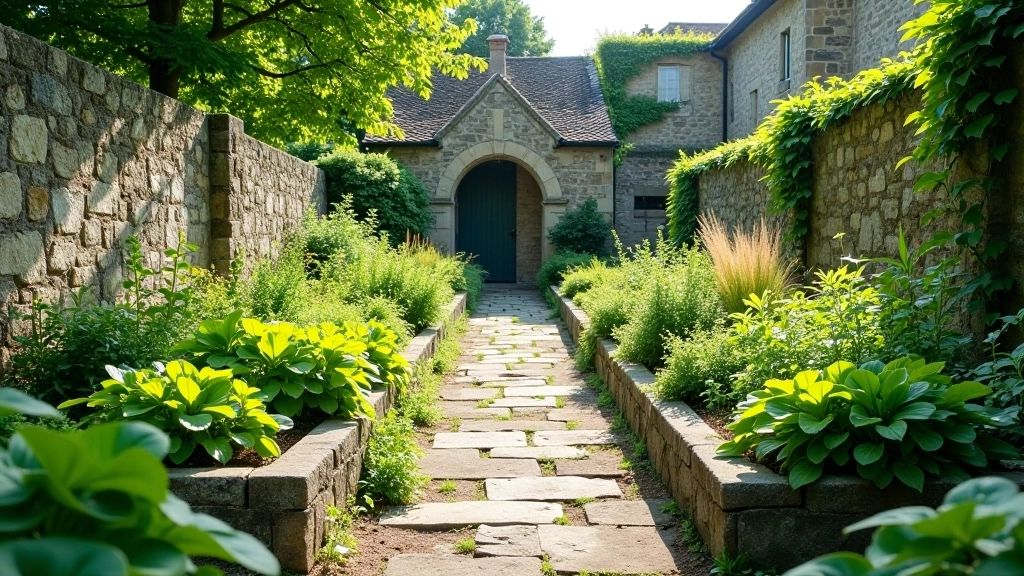
The friary herb garden wasn't just decorative. Monks relied on these plants for medicine, cooking, and preserving food through harsh winters. Every herb served a purpose. Some treated fevers and wounds. Others flavored bland diets or helped with digestion. The monks were serious about their gardening.
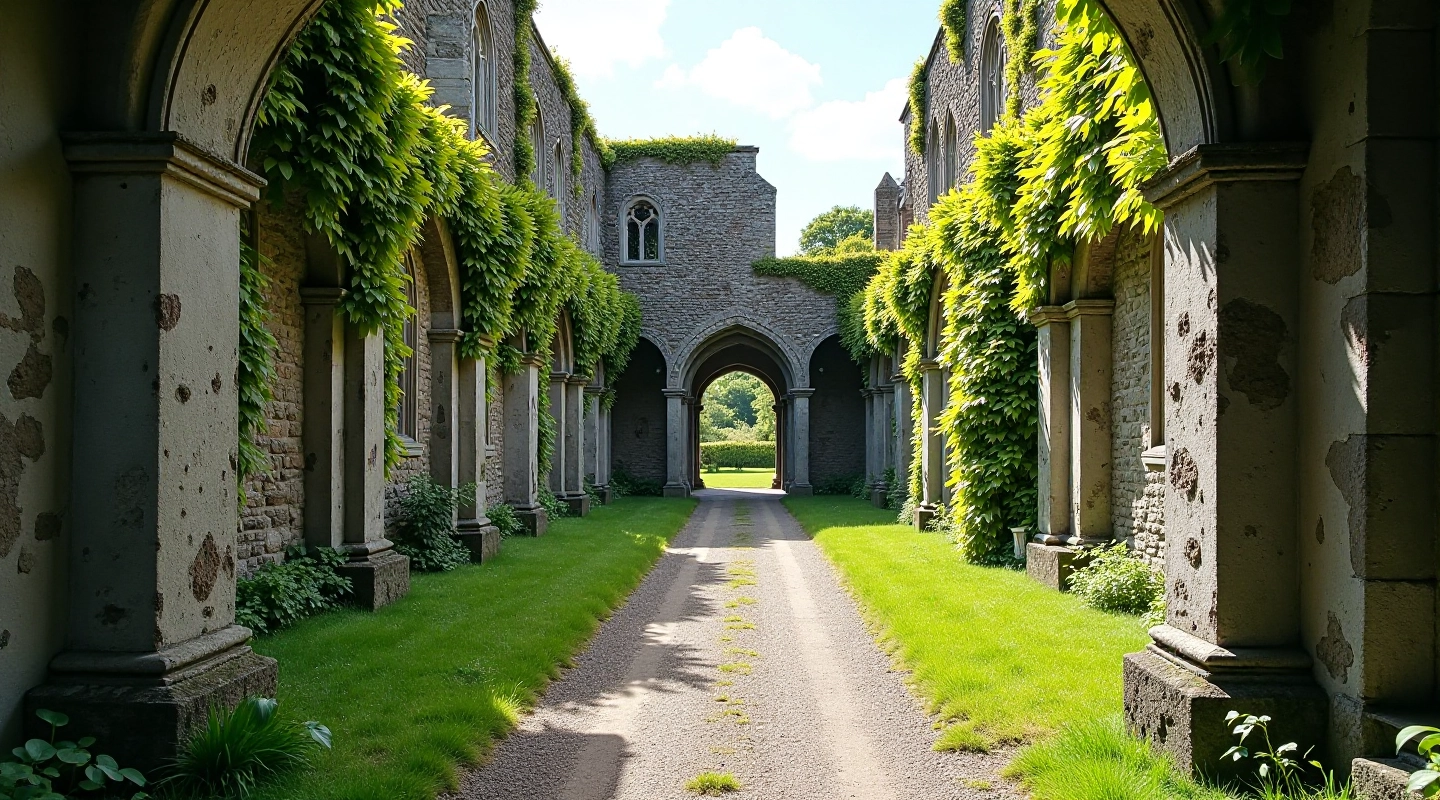
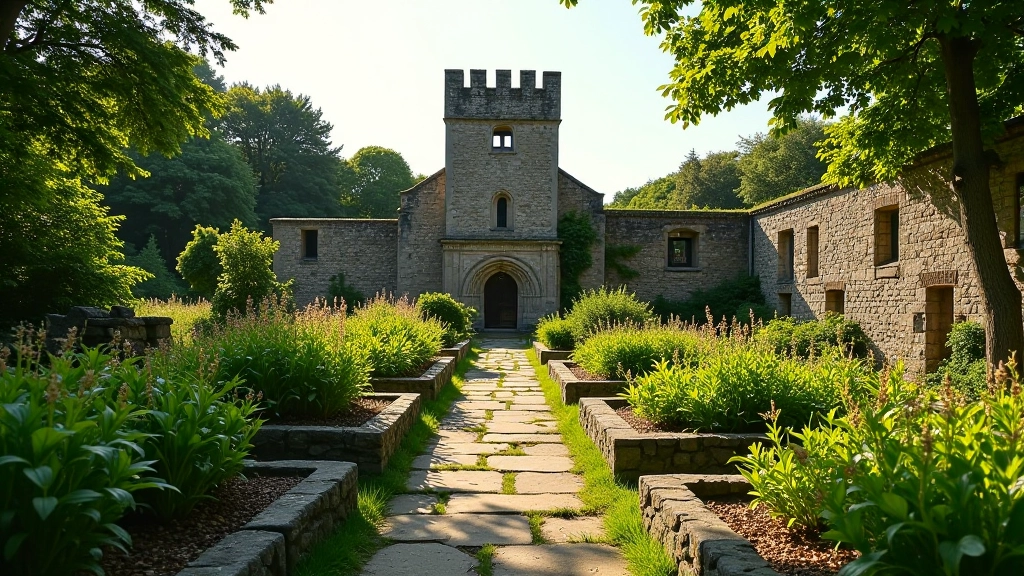
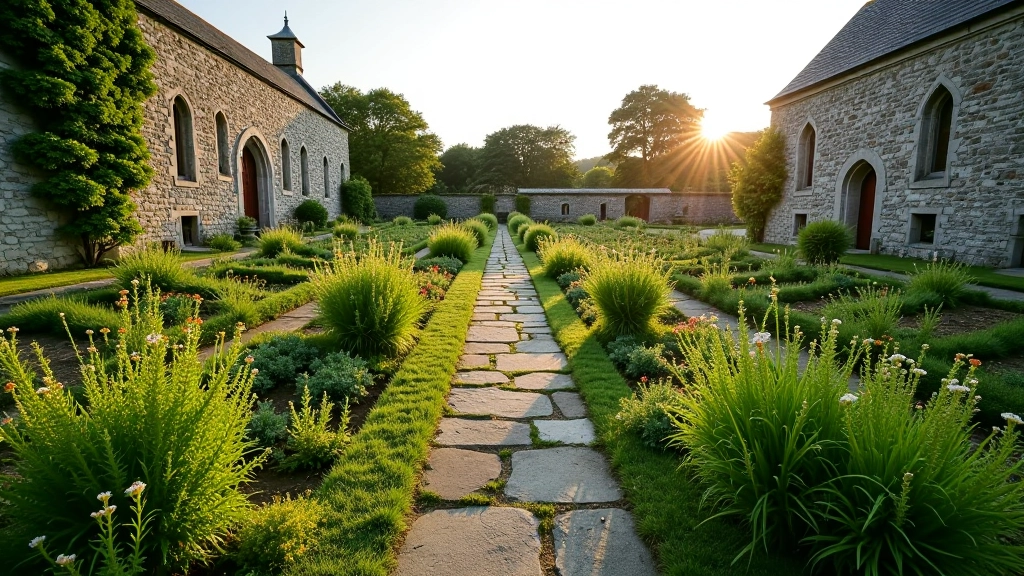
Walking through the friary grounds today, you're stepping into centuries of botanical history. The layout remains recognizable. Stone pathways still mark where beds once flourished. And remarkably, some plants have persisted — wild descendants of those original cultivations. It's like reading a living archive.
The Herbs You'll See
We've mapped the most common herbs still visible in the friary grounds. Some grow in wild patches. Others have been intentionally preserved. Here's what to look for — and what the monks actually used them for.
Sage
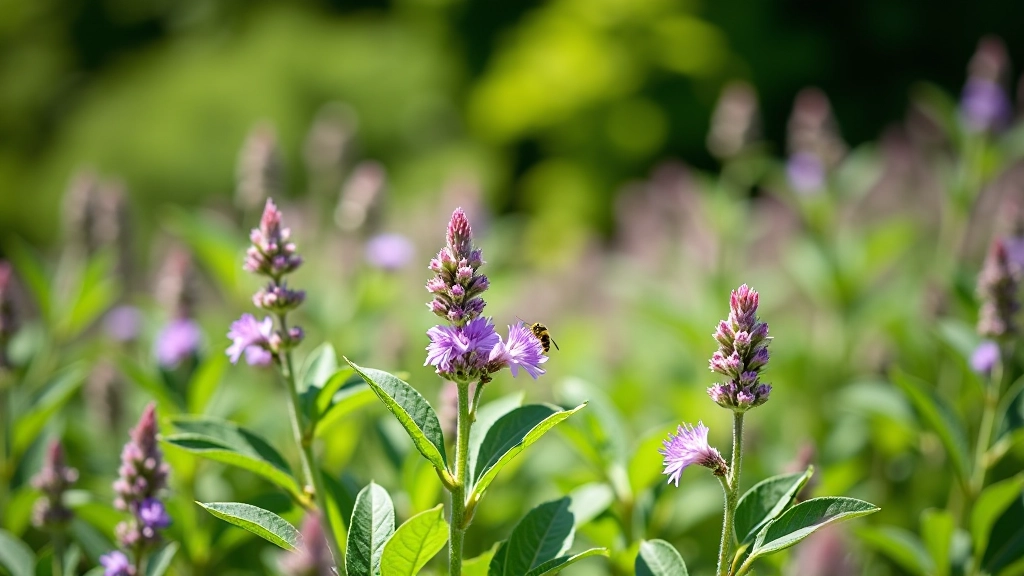
Silvery-green leaves, distinctive aroma. The monks used sage for sore throats and memory. It's still one of the hardiest herbs — you'll likely spot it near the eastern wall where the stonework provides shelter. Flowers bloom purple or pale pink in summer.
Thyme
Tiny leaves on woody stems, creeping growth pattern. Thyme treated coughs and chest complaints. The monks dried it for winter medicine. It loves the sunny spots near the southern entrance — look for the low-growing mats of green with tiny purple flowers.
Rosemary
Needle-like leaves, strong pine scent. Used for flavoring food and improving circulation. Rosemary signals strength — these plants can live 20+ years. The friary specimens are gnarled and impressive, especially along the north pathway.
Chamomile
Daisy-like flowers, feathery foliage, sweet apple scent. Monks brewed chamomile for sleep and digestion. It self-seeds readily — you'll find patches in disturbed areas, particularly around the old well structure. Peak flowering is late summer.
What to See by Season
The friary herb garden changes throughout the year. Spring brings tender new growth and early flowers. Summer is peak season — everything's in bloom and the scents are strongest. Autumn reveals seed heads and structural shapes. Winter shows the framework of the garden, though evergreens like sage and rosemary stay green year-round.
Visiting Tips
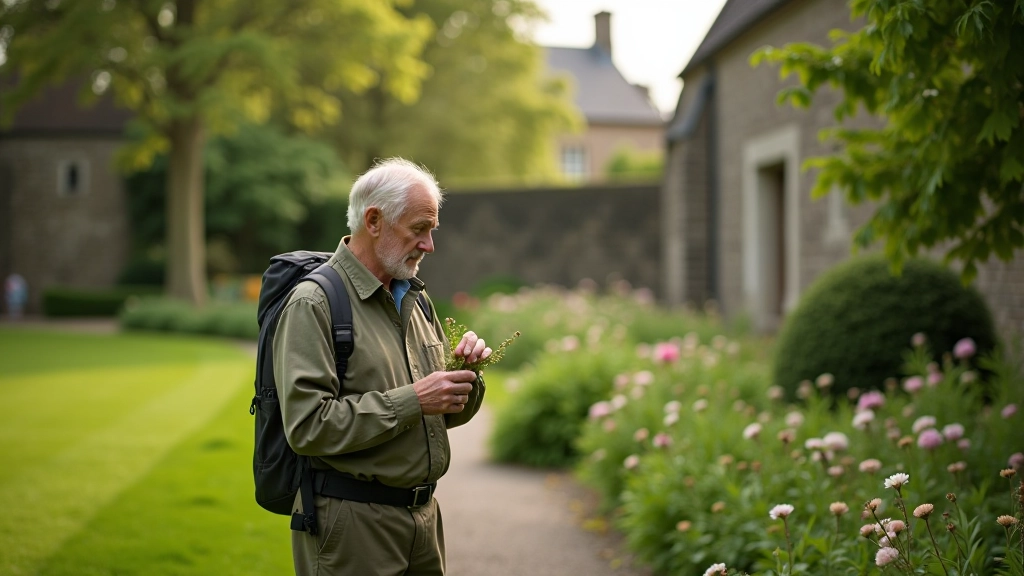
Don't just look — use your senses. Brush a leaf of sage or thyme and smell your fingers. The scent lingers. The garden's more engaging when you're actively exploring. Wear comfortable shoes with good grip — the stonework can be uneven and damp.
Bring a small notebook if you're interested in plant identification. The layout's consistent, so sketching which herbs grow where helps you understand the monks' organization. They didn't plant randomly. Medicinal herbs clustered together. Culinary herbs near what's believed to be the kitchen area. It's functional garden design, medieval style.
Best visiting times are late morning through early afternoon when the sun highlights the herb beds and the light's good for photography. Early summer (June-July) shows the most growth and flowers. Spring (April-May) offers tender new foliage. Autumn (September-October) reveals structural forms clearly.
The Legacy Lives On
These herbs have survived centuries of neglect, weather, and changing land use. That's remarkable. It tells you something about their resilience. Sage, thyme, rosemary, chamomile — they don't need much. Good drainage. Sunlight. And they thrive. The monks understood this. They selected plants that'd persist even if maintenance faltered.
Walking through the friary herb garden connects you directly to medieval knowledge. Not through books or museums, but through living plants. The same species the monks cultivated 600+ years ago still grow in the same location. You're seeing continuity. That's worth paying attention to.
About This Guide
This guide is informational and educational in nature. Historical information about how monks used herbs is based on documented practices from medieval texts and contemporary research. If you're interested in using any herbs for medicinal purposes, consult with a qualified healthcare professional or herbalist. Plant identification in natural settings can be challenging — when in doubt, don't harvest or consume plants you're unsure about. Always respect the friary grounds and local regulations when visiting.