What You'll Discover
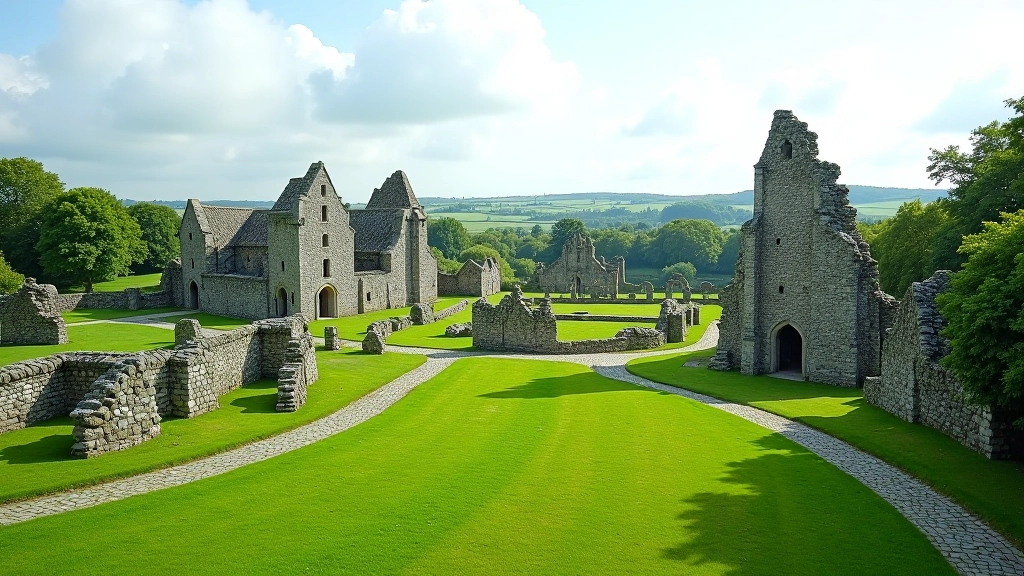
The friary grounds tell 700 years of history in stone. You'll walk through cloisters where monks once studied, stand under arches that have survived centuries, and see graves of Ennis's most important families. It's not just a ruin—it's a place where you can actually feel the weight of time.
This route takes about 45 minutes at a comfortable pace, with plenty of spots to stop and rest. The grounds are flat and well-maintained, making it ideal if you're looking for something substantial but not strenuous.
Best time to visit: Late morning or early afternoon when light hits the stone walls beautifully. Avoid midday heat if you're visiting in summer.
What to bring: Comfortable walking shoes with grip (stones can be uneven). A light jacket helps—the grounds catch wind even on warm days.
The Church and Main Structures
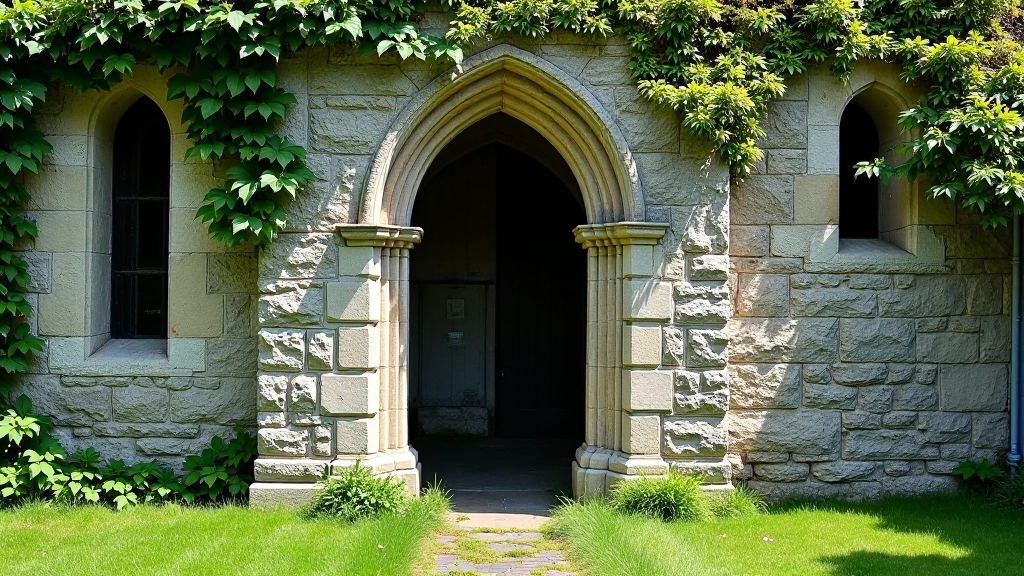
You'll start at the main church. It's remarkable how much survives—the east window opening still shows the precision of medieval builders, and you can trace the full outline of where the roof once was. The walls rise about 30 feet in places, enough to give you real scale.
Walk along the north wall and you'll find the chancel—this is where the main altar stood. Notice the stone shelving carved into the wall. These held candles and ritual objects during services. Nothing fancy, but it shows how monks organized their sacred space.
Don't miss the sedilia—three stone seats carved into the wall on the south side of the chancel. The priest and his assistants sat here during Mass. It's a small detail but it makes the medieval ritual feel less distant when you actually sit in that spot.
The Cloisters and Daily Life
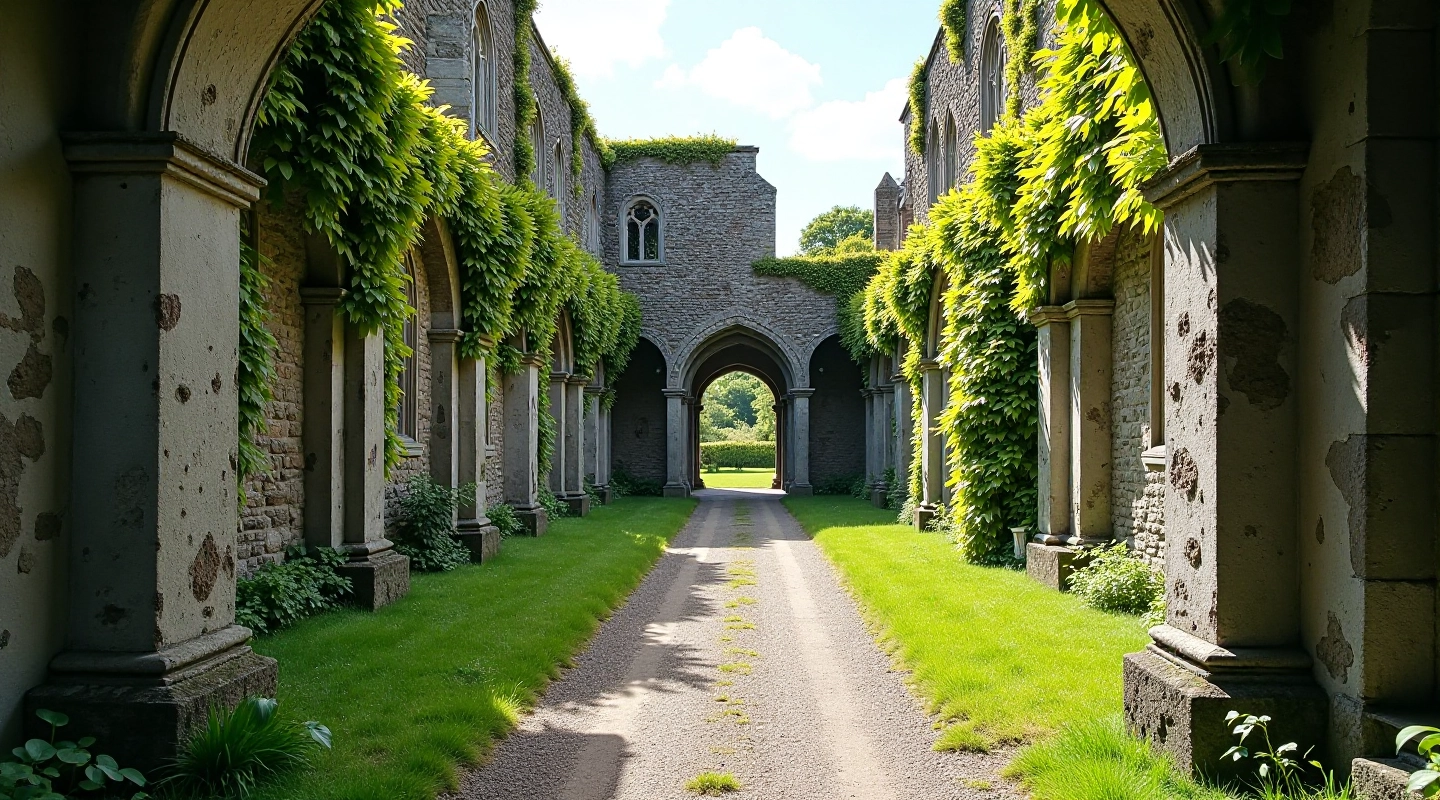
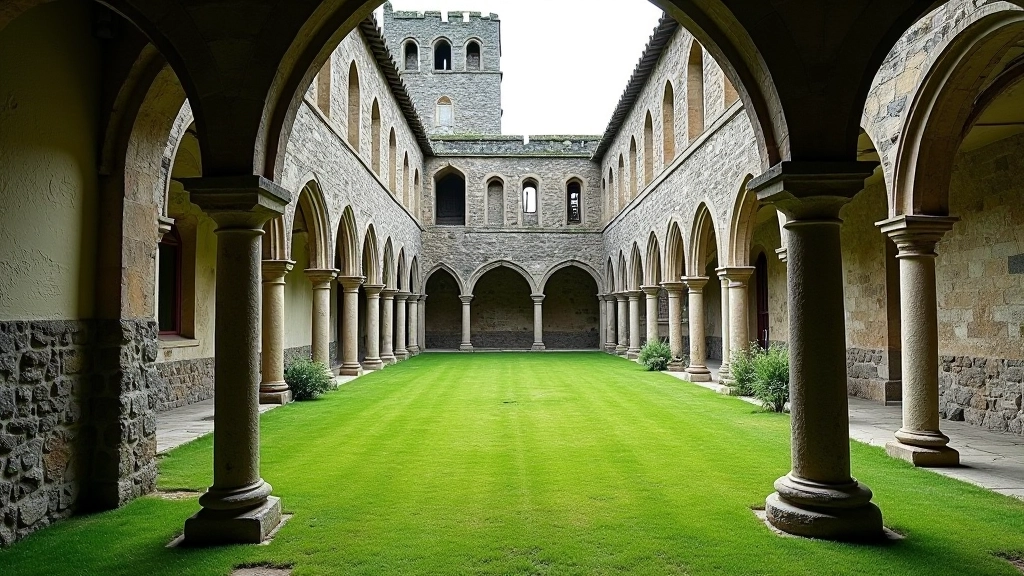
The cloister—the covered walkway surrounding the central courtyard—is where the magic happens for many visitors. This is where monks walked, studied, and moved between the different parts of their daily life. Even in ruins, you can feel the rhythm of it.
Look at the column bases. Some are still quite ornate, with carved capitals that show the skill of the builders. The walkway itself is about 8 feet wide—just enough for two people to walk side by side. You'll find stone benches along the walls. These weren't for rest stops. Monks sat here to read, study, and copy manuscripts.
The central courtyard was called the garth. It's open sky now, but it once had a garden. Medieval friaries grew their own herbs and vegetables. The layout you see—open in the middle, covered walkways on all sides—made sense for their work and contemplation.
Photo Spots Worth Finding
- The east window frame—especially golden hour light coming through
- North wall from outside looking in—shows the full height and texture
- Cloister arches with courtyard beyond—classic monastic composition
- Detail shots of carved capitals and stone work—close-up texture is striking
The Burial Grounds and Final Resting Places
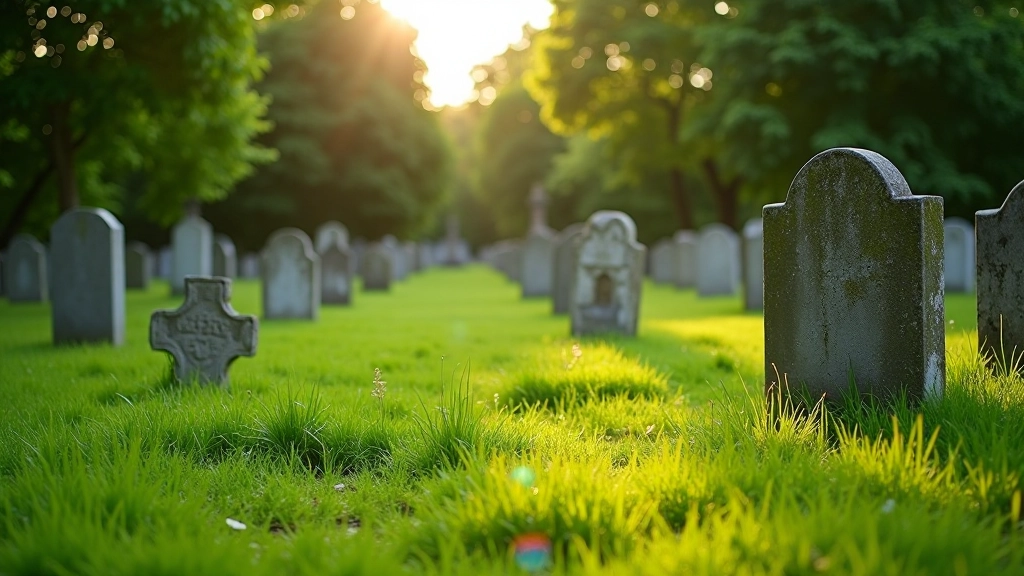
Beyond the main church, you'll find the burial grounds. Gravestones and memorial slabs mark where monks and benefactors were buried. Some stones are so worn you can't read the inscriptions anymore, but others are clear enough to make out names and dates from the 1600s and 1700s.
The graves follow a pattern. They're aligned east to west—heads pointing west, feet to the east. This reflects the belief that the resurrection would come from the east, so the dead were positioned to rise facing that direction. Medieval thinking made practical sense through their faith.
You'll notice some larger, more ornate tombs. These belonged to Ennis families of importance. The O'Briens, the Macnamaras—the names that shaped County Clare's history. Standing here, you're walking through the burial place of people who mattered in this region for centuries.
Walking the Route: Practical Details
Distance and Time
The full circuit of the grounds is about 0.5 miles. Walking time depends on how long you spend exploring. Budget 45 minutes minimum at a comfortable pace. If you're photographing or really taking time to understand the structures, allow 75 minutes.
Surface and Terrain
The grounds are mostly grass and packed earth. It's flat throughout. After rain, certain areas can be muddy, particularly near the western edges. Sturdy shoes with decent grip are essential. Nothing steep, but uneven in places where roots lift the ground.
Facilities Nearby
The friary is within walking distance of Ennis town centre. There's no café on-site, but plenty of options in town. Toilets are available at the visitor facilities about 5 minutes' walk away. No water stations at the ruins themselves.
Accessibility Notes
The site is open and free to explore. There are no formal paths, so movement is flexible. The grass can be uneven and there are some low stone edges. Not suitable for wheelchairs. Benches are scattered throughout for resting.
About This Guide
This guide is informational and educational, designed to help you understand the history and layout of Ennis Friary. Conditions at the site can change—weather affects ground conditions, and access details may be updated by local authorities. We recommend checking current local information before your visit. While we've made every effort to be accurate, this isn't a formal archaeological or historical study. For detailed historical research, consult the Clare County Council heritage resources or the Irish Friary Foundation.
Why This Walk Matters
Walking Ennis Friary isn't just about seeing old stones. It's about standing where people stood 700 years ago—where they studied, prayed, worked, and were buried. The scale, the craftsmanship, the permanence of it all puts things in perspective. And you can do it at your own pace, without rushing.
The route is manageable for a relaxed afternoon. There's history here, but also quiet. Space to think. That's what makes it special.