
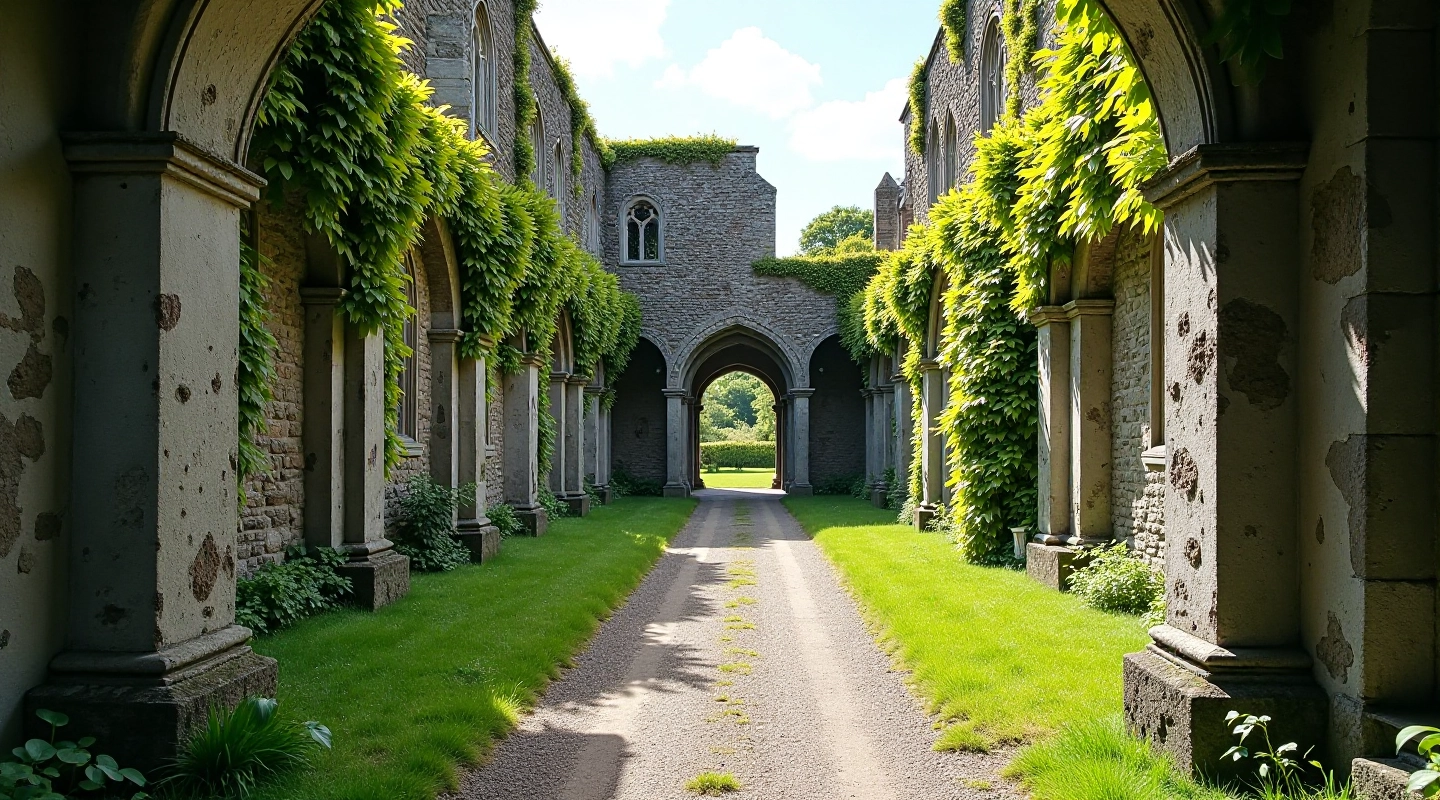
Ennis Friary Grounds: A Walking Route
Self-guided tour through the 13th-century friary ruins. Covers the main structures, their history, and what each section tells us about medieval monastic life.
Read GuideA flat, easy path along the river from Ennis town centre to the friary grounds. Perfect for a shorter outing with plenty of rest spots and chances to spot local wildlife.
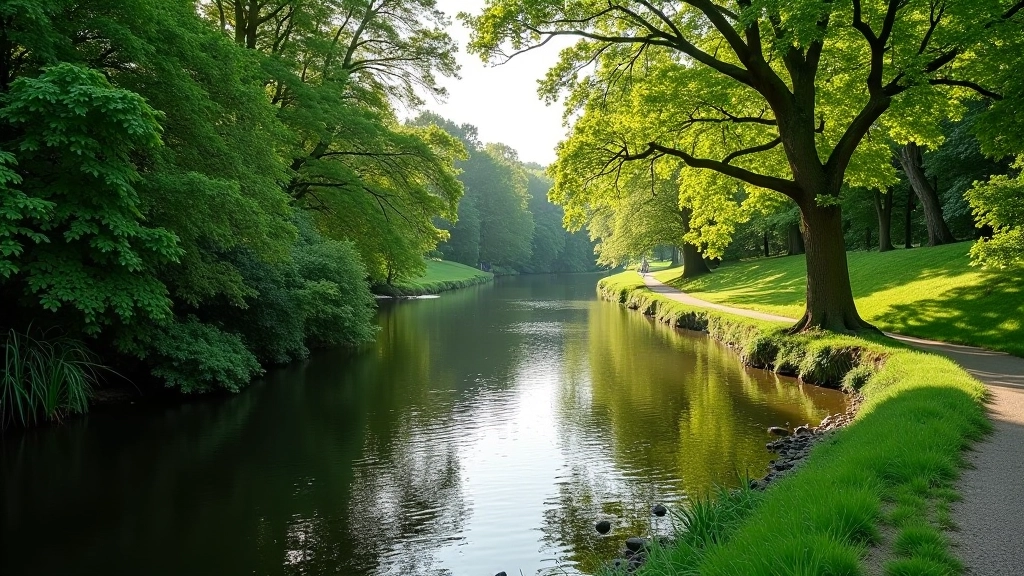
This is one of the easiest walks in the Ennis area. There's no climbing, no uneven ground to worry about, and you'll never lose sight of the river. Most people complete it in 45 minutes to an hour, but there's no rush — plenty of benches mean you can stop whenever you fancy.
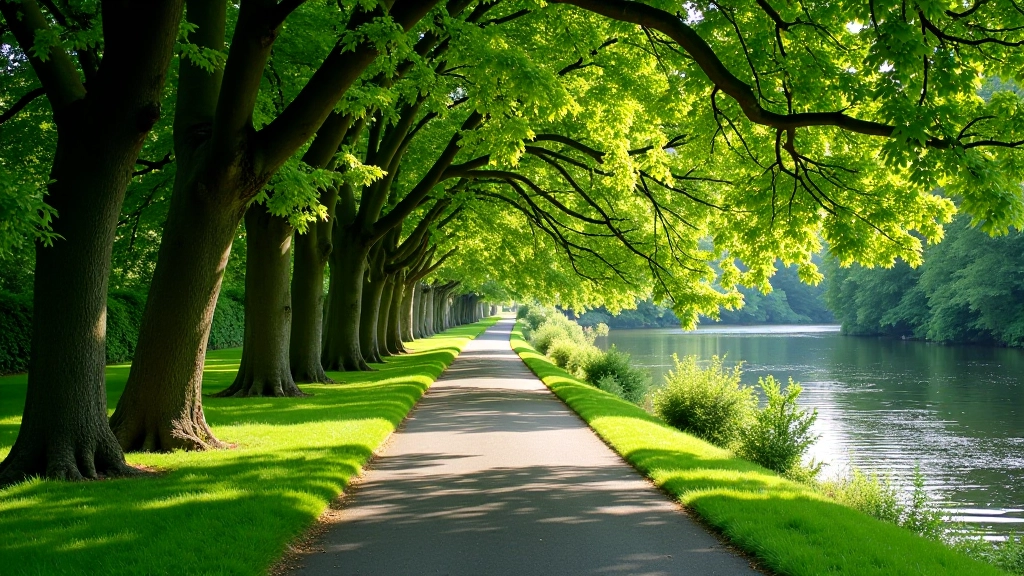
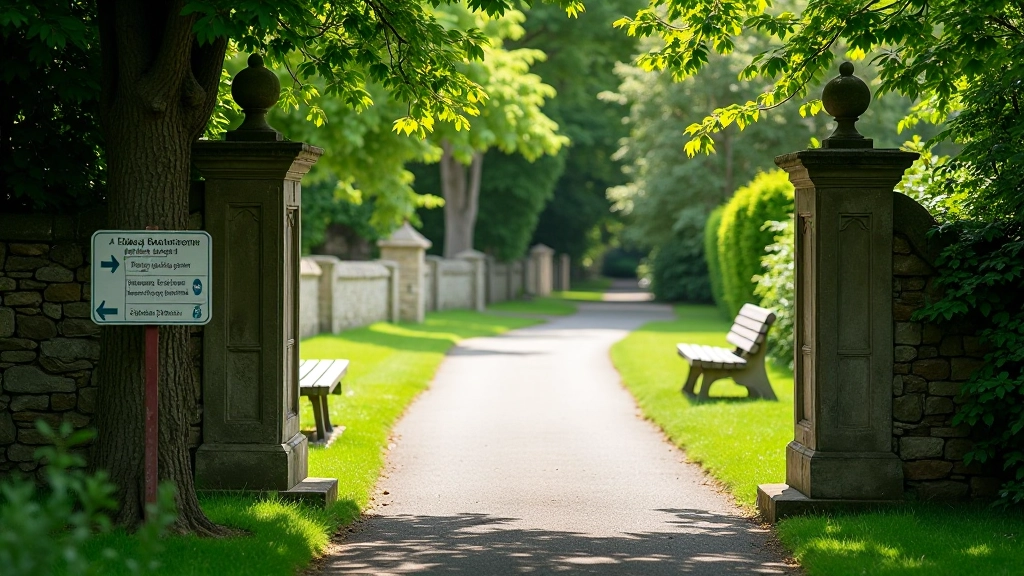
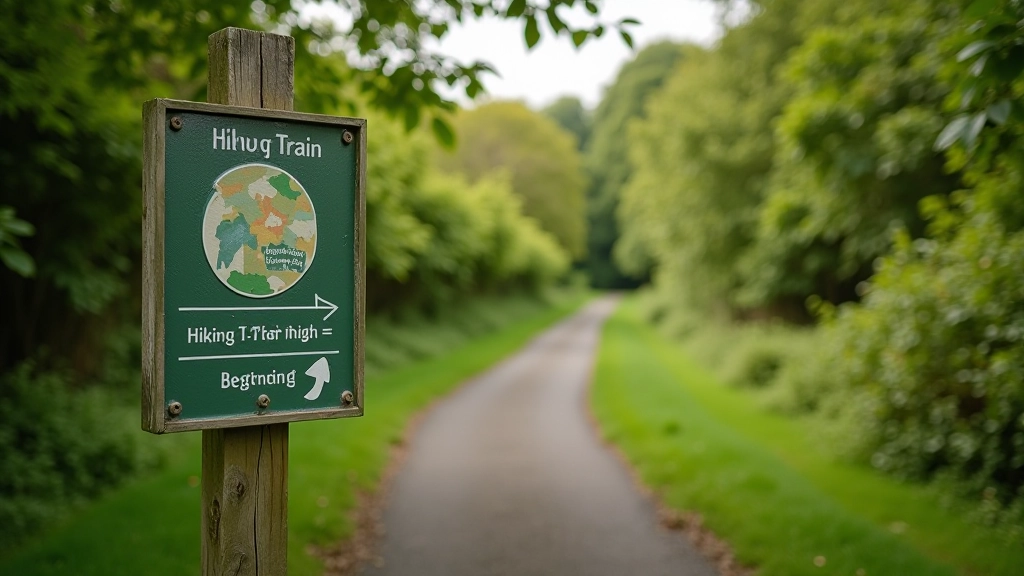
You'll start near the town centre, where signs point you toward the river. The path begins as a tarmac walkway that's well-maintained and wide enough for two people to walk side by side comfortably. The first 500 metres follow the river closely — this is where you're most likely to spot kingfishers if you're patient and quiet.
After the first rest bench (about 15 minutes in), the surface changes to a firmer gravel path. Don't worry — it's compacted and absolutely fine for walking shoes. You'll pass through a small wooded section here. The trees are lovely, especially in May when the bluebells come out along the banks.
By the time you reach the second rest area, you've got a clear view across the water toward the fields beyond. On clearer days, you can see right across to the hills in the distance. It's genuinely worth stopping here for a few minutes — just to breathe and take it in.
Best time to visit is early morning or late afternoon when the light's softer and wildlife is more active. You'll likely have the path mostly to yourself too.
Keep your eyes open for kingfishers, herons, and water voles. The river supports a healthy ecosystem, and you don't need binoculars — just patience and a quiet step.
Four sturdy benches placed at sensible intervals. Each one overlooks a different stretch of river. They're properly maintained and positioned to catch the sun in the afternoon.
Spring brings bluebells and fresh green growth. Summer's full canopy creates cool shade. Autumn shows golden reflections in the water. Winter's stark beauty offers clear views across the landscape.
At the Ennis end, there's a café within a 5-minute walk. The Friary Grounds at the other end has a small visitor facility with tea and light snacks on weekends.
There's free parking at the town centre car park, just a 3-minute walk from the path entrance. If you're coming by bus, the main station is 200 metres away. The path itself is well-signposted once you're near the river — look for the blue walking signs.
Walking shoes with decent grip are important, especially after rain when the gravel section can be slightly slippery. Bring a light jacket even in summer — it's cooler under the tree canopy. A small bottle of water's useful, though you'll pass the café about halfway through. In spring and summer, insect repellent is handy, though the riverside breeze keeps most flies away.
Don't overthink it though. This isn't a challenging walk. Plenty of people do it in casual clothes and regular shoes. The path's forgiving and the pace is entirely yours.
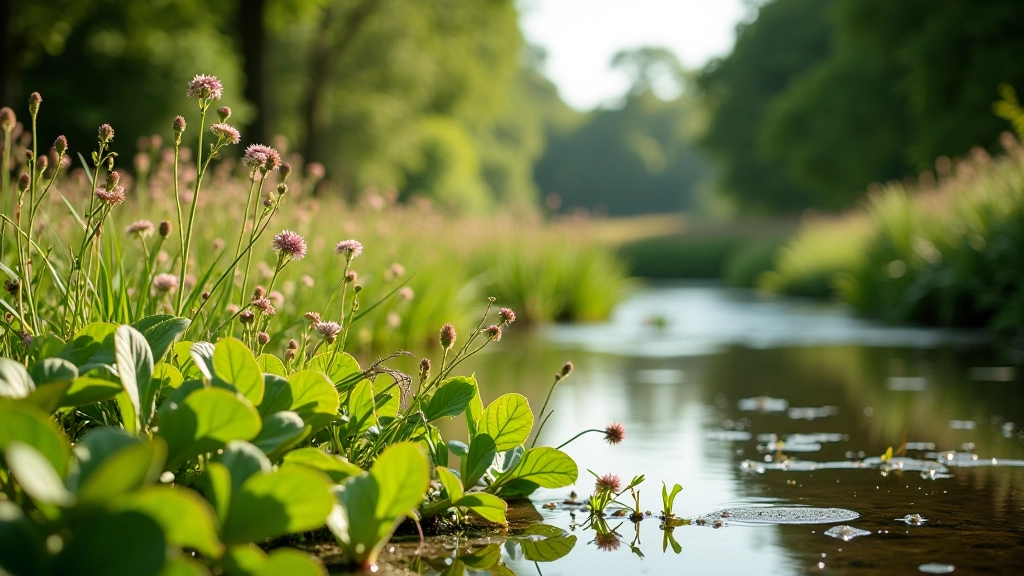
The River Fergus supports a healthy population of birds and small mammals. Kingfishers are the real prize — brilliant blue flashes as they dart over the water. They're most active in early morning or late afternoon. Herons are more common and less shy. You'll often see one standing motionless in the shallows, waiting for fish.
Water voles are here too, though you're more likely to spot the holes they dig in the banks than the creatures themselves. Look for small burrows at the waterline. Rabbits use the grassy areas, especially near the wooded section. In summer, you might see dragonflies — they're harmless and genuinely beautiful to watch.
Move slowly and quietly if you're hoping to see wildlife. Many birds and animals will disappear if you're chatting loudly. But honestly, even without spotting anything dramatic, the walk's beautiful on its own.
This guide is intended to provide helpful information about the River Fergus Bank Path for recreational purposes. While we've described the route as accurately as possible, conditions can change. Weather, seasonal factors, and maintenance work may affect the path at any time. We recommend checking locally or with the Ennis town council before your visit if you have specific accessibility concerns. This information is educational and based on typical conditions — always use your own judgment about whether a walk is suitable for you.
This walk isn't about distance or difficulty. It's about spending time beside moving water, watching light change on the surface, and letting your mind settle. The River Fergus has a gentle rhythm to it. There's something about walking alongside water that just feels right — it doesn't demand anything from you, but it gives back a lot in return.
Whether you've got an hour to spare or you want to make an afternoon of it, the path welcomes you. Start whenever you like, rest as long as you need, turn back whenever you feel like it. There's no wrong way to do this walk. That's exactly what makes it perfect.
Self-guided tour through the 13th-century friary ruins. Covers the main structures, their history, and what each section tells us about medieval monastic life.
Read Guide
Learn about the medicinal and culinary herbs grown by monks centuries ago. We've identified the plants still thriving in the garden today and what they were used for.
Read Guide
Distance, accessible facilities, best times to visit, parking options, and what to expect from each location. Everything you need to plan a comfortable outing.
Read Guide